
Workshops

Our workshops give you practical knowledge and strategies to understand neurodivergence and learning differences and to confidently support and advocate in educational, social, work, and community settings.

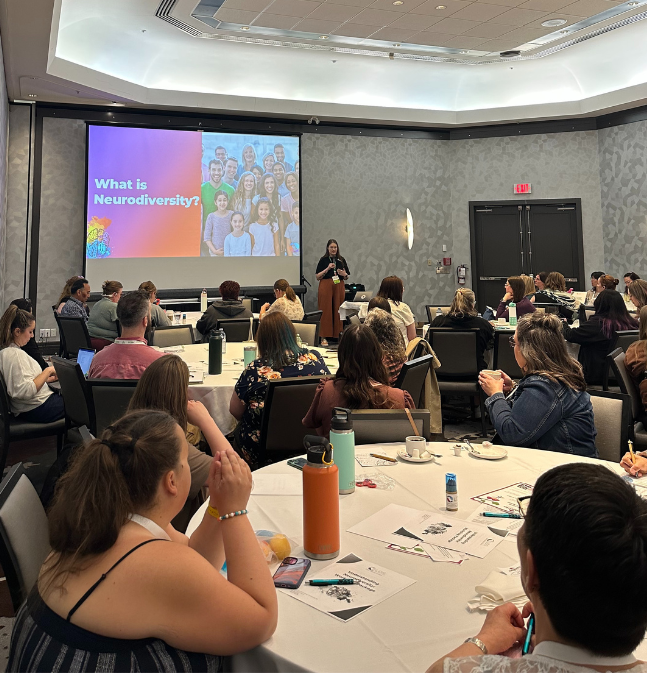
https://ldsociety.ca/wp-content/uploads/2022/10/img-blob-1.svg https://ldsociety.ca/wp-content/uploads/2025/06/UN-Workshop-ECEBC-e1750875858586.png

Workshops that Inform, Inspire, and Empower

We offer two powerful ways to grow your understanding and strengthen support for neurodivergent individuals:

  1. Choose from our core series:
    10 thoughtfully designed workshops covering the most important topics in learning differences, inclusion, and advocacy. Each is ready-to-go and packed with evidence-based strategies you can apply immediately.
  2. Customize your experience:
    For an additional fee, we’ll customize a workshop to meet your group’s unique needs — whether you’re a school team, workplace, or community organization.

Whichever option you choose, you’ll leave with practical tools, fresh perspectives, and the confidence to make meaningful change.
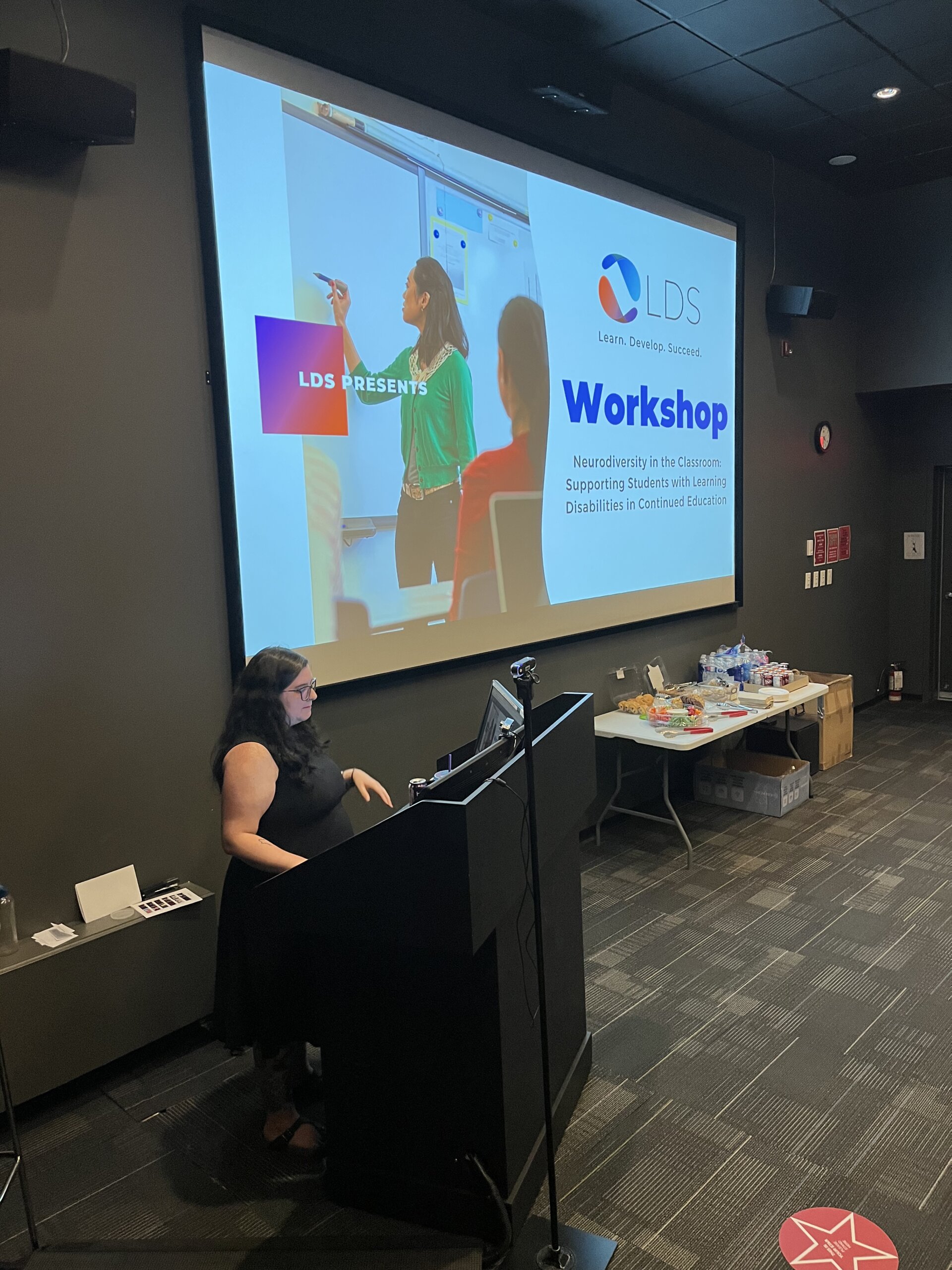
https://ldsociety.ca/wp-content/uploads/2022/10/img-blob-1.svg https://ldsociety.ca/wp-content/uploads/2025/06/Becky-VFS-workshop1-scaled.jpg

Our Core Workshops

Contact us to book one of our 90-minute core workshops with our expert team.

We can join you online across Canada and in person across the Lower Mainland.

If you’re looking for an in-person workshop in British Columbia, please contact us, we’re happy to travel across BC to provide training and workshops.

Pricing for one of our core workshops starts at $500.

Contact Us

Core Workshops

Understanding Neurodiversity: Awareness, Acceptance, Advocacy

Join us for our most popular experiential workshop and dive into understanding neurodiversity! Together, we’ll explore how to embrace differences and build more inclusive spaces where everyone thrives. Get inspired to advocate for the unique strengths and needs of individuals with learning differences.

Purpose

Equip participants with foundational knowledge of neurodiversity, build empathy, and support inclusive client services, education, and work cultures that value diverse ways of thinking and learning.

This workshop is for you if:

  • You’re an educator, parent/guardian, service provider, or team leader who wants a clearer understanding of neurodiversity and how it shows up in real life.
  • You want to reduce stigma and build more inclusive spaces in your school, home, community programs, or workplace.
  • You support neurodivergent learners, clients, or colleagues and want strategies grounded in strengths-based practice.
  • You want practical tools to communicate, collaborate, and advocate with more confidence.


Neurodiversity in the Workplace

This workshop explores neurodiversity in the workplace through a strengths-based lens. Learn practical strategies for disclosure, accommodations, and fostering neuroaffirming cultures. Designed for employers, employees, and job seekers, the session equips participants to challenge stigma, embrace authenticity, and support neurodivergent professionals, especially those with ADHD, to build equity and innovation at work.

This workshop is for you if:

  • You’re an employer, HR professional, manager, or employee who wants to understand neurodiversity at work.
  • You want to identify and reduce barriers created by workplace culture, communication norms, or sensory environments.
  • You want to learn about disclosure, accommodations, and legal rights in a respectful, strengths-based framework.
  • You want practical strategies to build neuroaffirming, equitable, and productive teams.

Key Topics Covered

  • Understanding Neurodiversity: The strengths, challenges, and diversity of cognitive processing styles, with attention to ADHD.
  • Barriers in the Workplace: Stigma, ableism, sensory environments, communication norms, and hidden expectations.
  • Inclusive Practices: Flexible workflows, clear communication strategies, structured feedback, and universal design at work.
  • Disclosure & Accommodations: When and how disclosure may occur, employee rights, and employer responsibilities.
  • Building Neuroaffirming Cultures: Leadership practices, psychological safety, team norms, and long-term cultural change.


Mental Health and Neurodiversity

This workshop examines the intersection of neurodiversity and mental health, and how overlapping experiences can impact self-identity, well-being, and access to support. Learn to recognize signs of stress, sensory overload, and masking, and gain practical strategies to promote balance, resilience, and supportive practices for neurodivergent individuals in everyday settings.

This workshop is for you if:

  • You support neurodivergent individuals and want to understand how mental health, stress, masking, and regulation intersect.
  • You want to recognize signs of burnout, sensory overload, and emotional dysregulation with more confidence.
  • You want tools to promote resilience, balance, and supportive communication.
  • You want to help create environments in your home, school, workplace, or community that reduce stigma and support well-being.

Key Topics Covered

  • Neurodiversity & Mental Health: How cognitive, emotional, and sensory experiences intersect.
  • The Impact on Learning & Daily Functioning: Executive functioning, emotional regulation, sensory processing, and stress response.
  • Stigma, Ableism & Masking: How societal expectations influence identity, confidence, and long-term well-being.
  • Strategies for Support: Sensory tools, regulation approaches, communication strategies, and inclusive practices.
  • Building Systems of Support: School, workplace, family, and community roles in fostering safety, belonging, and resilience.
  • Self-Advocacy & Empowerment: Helping neurodivergent individuals advocate for their needs and navigate supports with confidence.

Unpacking ADHD

In this interactive session, discover the reality of what ADHD really is beyond stereotypes. We’ll explore the neuroscience of ADHD and share practical, empowering strategies to harness its strengths in daily life. Whether you live with ADHD, support someone who does, or are simply curious, this workshop builds understanding and celebrates neurodiversity.

This workshop is for you if:

  • You are neurodivergent yourself, support someone with ADHD, or want to understand ADHD beyond stereotypes.
  • You’re an educator, caregiver, or professional who wants insight into executive functioning, focus, and emotional regulation.
  • You want practical strategies to support organization, attention, and self-advocacy at school, home, or work.
  • You want to create environments where ADHDers can thrive authentically.

Key Topics Covered

  • Understanding ADHD: Core characteristics, neurological basis, and debunking common myths.
  • Experiencing ADHD: Insights into everyday challenges, barriers, and lived experiences.
  • Supporting ADHDers: Practical strategies to support attention, self-regulation, planning, and productivity.
  • Inclusion & Allyship: How participants can show up effectively for neurodivergent individuals in home, school, and workplace contexts.

Demystifying Dyslexia

Join us for a practical, informative workshop on understanding dyslexia. Learn to recognize early signs, understand the assessment process, and explore effective strategies and school supports. This session equips families, caregivers, and educators with tools and confidence to advocate for learners and help them thrive at home, in school, and beyond.

This workshop is for you if:

  • You’re an educator, caregiver, or professional wanting a clearer understanding of dyslexia and its impact on learning.
  • You suspect a child or student may be showing early signs of dyslexia and want to recognize them confidently.
  • You support learners with reading and writing challenges and want realistic, evidence-based strategies.
  • You want tools to navigate assessments, IEPs, and literacy supports.

Key Topics Covered

  • What is Dyslexia: Characteristics, challenges, and common myths.
  • Spotting Early Signs: How reading, writing, and learning difficulties may appear at different ages.
  • Support Strategies: Evidence-based interventions, accommodations, and home strategies.
  • School Supports & Assessments: Understanding evaluations, IEPs, and how to use results to guide support.
  • Empowering Learners: Tips for fostering confidence, motivation, and independence.

Understanding Sensory Profiles

This engaging workshop introduces the fundamentals of sensory processing and its impact on learning, behaviour, and well-being. Participants will explore how sensory profiles shape daily experiences and discover practical strategies to develop self-regulation skills, foster confidence, grow independence, and support success for children with diverse learning needs.

This workshop is for you if:

  • You’re an educator, caregiver, or support worker who wants a clearer understanding of the eight senses and sensory profiles.
  • You support a child who experiences sensory overwhelm, seeking, avoidance, or inconsistent regulation.
  • You want practical, real-world strategies for helping children regulate and participate in daily routines.
  • You want tools to adapt home, school, or community environments to meet diverse sensory needs.

Key Topics Covered

  • The Eight Senses & Sensory Profiles: Overview of sight, hearing, touch, taste, smell, proprioception, vestibular, and interoception; understanding Low Registration, Sensory Seekers, Sensory Sensitive, and Sensation Avoidant profiles.
  • The Cup Analogy: How neurological thresholds (“cups”) influence comfort, focus, and self-regulation; identifying when a child has too much, too little, or just the right sensory input.
  • Recognizing Struggles: Common signs and feedback that indicate sensory challenges or dysregulation; interpreting behaviour in context.
  • Practical Strategies & Tools: Approaches to support self-regulation, attention, and participation using sensory supports, routines, and environmental adjustments.
  • Creating Supportive Environments: How to adapt home, school, and community settings to accommodate diverse sensory needs.

Advocating for Learning Needs at School

Learn how to confidently advocate for your child’s needs at school. This workshop covers psychoeducational assessments, IEPs, and effective collaboration with your school team. You’ll gain practical tools and guidance to navigate your child’s educational journey and ensure they receive the opportunities and support they need to succeed.

This workshop is for you if:

  • You’re a parent, guardian, or caregiver who wants to understand IEPs, assessments, and school-based supports.
  • You suspect your child may be struggling and want to know what to look for and how to respond.
  • You want stronger communication and advocacy skills for working with teachers and school teams.
  • You want practical tools to navigate accommodations, modifications, and next steps with confidence.

Key Topics Covered

  • Understanding Your Child’s & Family’s Rights: Foundational knowledge of children’s educational rights and parent/guardian responsibilities and protections.
  • How to Know if Your Child Is Struggling: Common signs, observations, and feedback from teachers that may indicate the need for additional support.
  • How to Advocate for Your Child: Practical strategies for effective communication, relationship-building, and collaboration with school teams.
  • Accommodations and Modifications: How schools implement supports, what they look like in practice, and how families can participate in the process.
  • Where to Get More Information and Support: Trusted resources, community programs, and tools for ongoing guidance.

Designing Inclusive Classrooms and Programs

This workshop explores the challenges post-secondary students with learning differences face in academic coursework and campus life. Participants will learn how faculty and staff can adapt classrooms, materials, and assessments to create more inclusive learning environments. Through discussion and practical strategies, this session supports accessibility, equity, and student success across higher education settings.

This workshop is for you if:

  • You are a post-secondary instructor, staff member, or faculty lead who supports neurodivergent students.
  • You want to recognize systemic barriers such as ableism, inaccessible teaching practices, or hidden expectations.
  • You want practical strategies to design more accessible instruction, assessments, and learning environments.
  • You want to strengthen your capacity to collaborate with and support neurodivergent students confidently.

Key Topics Covered

  • Neurodiversity in Higher Education: Foundational concepts, learning profiles, and common challenges of neurodivergent students.
  • Experiencing Barriers: Understanding the effects of ableism, stigma, exclusion, and masking.
  • Inclusive Teaching Practices: Approaches for instruction, assessment, organization, and classroom structures that can improve accessibility for all students.
  • Accommodations and Supports: How to assist with and implement accommodations, and design flexible learning pathways.
  • Collaborative and Supportive Learning Environments: Strategies for group work, communication, and fostering student agency and belonging.

Supporting the Transition to Kindergarten

Prepare your child for a successful transition to kindergarten with this practical workshop. Learn strategies for establishing routines, understanding IEPs, building strong school relationships, and supporting learning at home. Gain tools, resources, and confidence to advocate for your child’s needs and set them up for success in this exciting new chapter.

This workshop is for you if:

  • You’re a parent or caregiver preparing your child, neurodivergent or not, for kindergarten and want guidance on routines, expectations, and supports.
  • You want to understand early school structures before the year begins.
  • You want tools to build strong school-home relationships and advocate early on.
  • You want clarity on early signs your child may need extra support in the transition.

Key Topics Covered

  • Factors Affecting Kindergarten Transition: Understanding routines, regulation needs, developmental readiness, and the shift from summer to school.
  • Supporting Your Child at Home: Strategies for building consistent routines, fostering social-emotional learning, and reinforcing early skills.
  • Supporting Your Child at School: An overview of accommodations, modifications, IEP essentials, and the roles of the school support team.
  • Advocacy & Communication: Approaches for building strong relationships with educators, understanding student and family rights, and effectively asking for support.

High School Ready: Supporting Neurodivergent Teens

The transition to high school can be especially challenging for neurodivergent teens. This workshop helps families confidently navigate learning, organization, and social dynamics. Through practical strategies, real-life examples, and guidance on accessing supports, you’ll gain tools to advocate effectively and support your teen’s success in high school and beyond.

This workshop is for you if:

  • You’re a parent or caregiver of a neurodivergent teen preparing for high school and want guidance on academics, social dynamics, and executive functioning.
  • You want clarity on common transition challenges and how to identify when your teen needs extra support.
  • You want strategies to help your teen build independence, self-advocacy, and organizational skills.
  • You want tools for collaborating with high school educators and accessing school or community supports.

Key Topics Covered

  • Growing Up Neurodivergent: The big picture of neurodivergence, puberty, and adolescent development.
  • High School in BC: Overview of the high school environment, expectations, and policies.
  • Common Challenges: Academic, social, and emotional barriers during this developmental period.
  • Identifying Support Needs: How to notice when a teen may require accommodations or additional support.
  • Supporting Your Teen: Practical strategies for building independence, self-advocacy, and organizational skills.
  • Developing a Support Plan: Setting realistic goals, collaborating with educators, and accessing school and community resources.
https://ldsociety.ca/wp-content/uploads/2023/05/workshop.png

Customized Workshops and Training

LDS – Learn. Develop. Succeed. can work with you or your organization to develop and deliver customized workshops and training opportunities in areas such as:

  • Learning differences and disabilities
  • Inclusion, equity, and advocacy
  • Early years intervention
  • Transitions (to school, high school, workforce, or higher education)
  • Navigating IEPs and psycho-educational assessments as a parent
  • Supporting learners with executive function challenges

These workshops and training opportunities can be tailored to different audiences and delivered in person across the Lower Mainland, at our East Vancouver Learning Centre, or online.

These customized learning opportunities range from 90 minutes to multiple days. Each workshop or training event is individually priced based on needs and time. Pricing starts at $750.

Contact Us

Places We’ve Been Invited to Share

Educators and Students

BCIT Faculty of the School of Business & Media
Early Years Thriving 
École Moscrop Secondary School 
Langley Dance Academy 
Oakville Christian School
Richmond School District 
Surrey Traditional School 
UBC Surgical Suites – OR and PACU
Vancouver College  
Vancouver Film School

Community Organizations 

New Westminster Family Place
Family Services of Greater Vancouver
BC Society of Transition Houses
The Treehouse
Community Services Maple Ridge
Archway Community Services
Social Venture Partners Vancouver
United Way BC – BC wide
Kelowna Actors Studio

Government and Crown Corporations

SkilledTradesBC – BC wide
Vancouver Public Library
North Vancouver District Public Library

Attend a Free Workshop or Parent/Guardian Night

Sign up for one of our free community workshops and/or parent/guardian nights

Workshop Library

Access recordings of previous workshops, handouts, and more here.